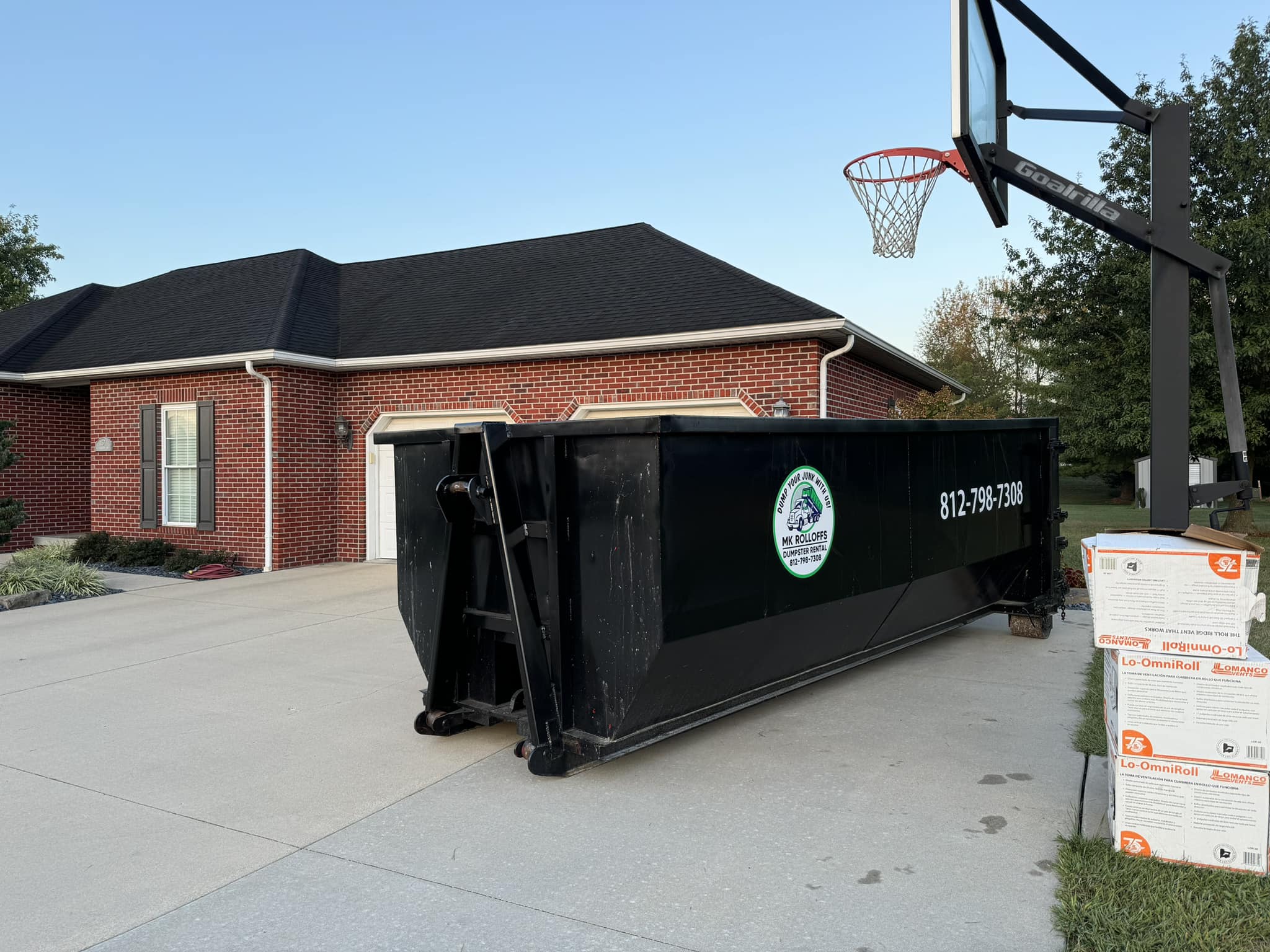
Effective waste control starts with good organization, and that includes keeping disposal under control. Whether you’re upgrading your living space, clearing clutter from a site, or handling debris from a construction site, renting a dumpster simplifies the entire waste process. However, even the best-organized efforts can face unexpected surprises if weight limits aren’t properly managed. Overweight dumpster fees are one of those preventable setbacks that can create sudden expenses that slow progress.
At MK Rolloffs, we guide clients in learning about dumpster capacity and safe loading practices so they can avoid issues throughout their rental period. Understanding the factors that add to dumpster weight and monitoring load weight helps ensure a smooth rental experience. With a little planning and organization, anyone can stay within weight restrictions and complete cleanup with ease. By identifying weight factors early, you can manage waste more effectively and avoid extra fees.
Recognizing What Adds Weight to a Dumpster
One of the most common causes of overweight dumpsters is underestimating how much certain materials weigh. Items like cardboard, small furniture, and general trash fill volume but add little weight. However, heavy items such as roofing debris, dirt, and building blocks can quickly cause the total load to surpass limits even if the dumpster appears only half full. Understanding the difference between light and heavy materials helps you load more strategically.
Separating heavy items from general waste before you start loading can make a big difference. By organizing waste into categories, you can monitor load distribution and stay within safe limits. It’s also important to load similar weights together for even distribution. A little planning before you toss materials inside ensures your dumpster stays balanced and within its safe capacity.
Distributing Waste Properly for Safe and Balanced Loads
Balanced loading is key to a secure dumpster and smooth transport. When debris is unevenly distributed inside the dumpster, it creates imbalance that complicates pickup and hauling. Stacking debris unevenly increases the risk of tipping or spillage during transport. Spreading materials evenly helps maintain stability, protecting both your property and the hauling equipment.
Breaking down bulky items before disposal can also help make better use of space. Collapsing cardboard, taking apart fixtures, and compressing debris allows for a more efficient layout. By arranging items thoughtfully inside, you’ll not only use capacity effectively without overloading. A mindful loading approach prevents extra fees and ensures a safer cleanup.
Avoid Mixing Heavy and Light Debris in One Dumpster
When it comes to managing waste, mixing different types of materials can cause unexpected problems. Blending concrete or brick with light trash can make a container heavier than expected. Each type of material has a specific density, and combining them can make it difficult to stay within your rental’s weight capacity. Keeping heavy and light debris separate ensures better control over dumpster weight.
Keeping certain waste streams separate also helps ensure compliance with disposal regulations. Some materials require specific handling to prevent damage or contamination during processing. Taking the time to organize and separate waste properly helps avoid overweight issues and promotes safe, responsible disposal. Strategic organization ensures smoother disposal and accurate weight management.
Selecting the Proper Dumpster for Your Project
Picking the right-sized container for your cleanup plays a key role in managing total weight. A dumpster that’s undersized can cause you to pack debris too tightly, raising the chance of going over the limit. An adequately sized container allows for safe, convenient disposal while keeping within weight boundaries. Having extra space available is often smarter than filling to capacity before finishing the job.
Our team helps renters select the right dumpster for their specific needs. When you share project details with us, we can suggest a dumpster that matches your debris volume and material type. This ensures the container is large enough to manage your waste without reaching dangerous weight levels. A properly chosen dumpster makes cleanup faster, safer, and more cost-effective.
Recognizing How Moisture and Concealed Weight Affect Dumpsters
One of the easiest ways to exceed dumpster limits is through unexpected moisture buildup. Rain, snow, or even humidity can cause materials such as soil, wood, and fabric to absorb water, making them significantly heavier. Even slightly damp debris can push a dumpster past its safe weight limit before you notice. Storing materials in a covered or dry area before disposal helps keep them lighter and easier to manage.
Beyond moisture, dense internal components often cause unintentional overweight issues. Old appliances, roofing tiles, or large pieces of furniture can contain dense components that add more weight than expected. Disassembling large or dense materials before tossing them in helps maintain proper weight control. By staying mindful of these small details, you can keep your dumpster within safe limits throughout your project.
Keeping Waste Below the Fill Line
Filling a dumpster beyond the top edge poses safety and weight problems. Stacking debris higher than the container may appear practical but creates major transport risks. If a dumpster cannot be properly closed or secured, it may be rejected for pickup. A level load avoids safety issues and helps manage weight distribution effectively.
Proper placement of materials is the secret to managing load levels. Place heavier items on the bottom to create a stable foundation, then fill lighter materials on top to balance the load. Layering strategically ensures full use of space while keeping within the fill boundary. Keeping your dumpster balanced helps guarantee smooth pickup and prevents unexpected issues.
Estimating Weight Before You Begin
While it’s difficult to know the exact weight of every item you dispose of, estimating can still be a useful tool. Understanding the general weight of common materials like concrete, wood, and metal helps you plan your disposal strategy more effectively. For large projects, you can divide waste by type and estimate the total weight to ensure it remains within limits. Even a rough estimate can help you make informed decisions about when to stop loading or when a second container might be necessary.
Keeping track of your progress during cleanup can prevent surprises when your dumpster is collected. Loading your dumpster in phases and checking occasionally gives better control over space. It’s a useful way to regulate disposal volume and prevent mistakes. By staying aware of your load, you maintain efficiency and avoid extra costs.
Preparing in Advance for Efficient Waste Handling
Spending time to organize before loading minimizes the risk of overage fees. Before your rental period begins, take time to review the materials you plan to dispose of and organize them by type. This step not only helps you estimate the amount of waste but also allows for better loading efficiency once the container arrives. A set disposal plan promotes efficiency and helps you stay under capacity.
Our advice to renters is to take a mindful, organized approach to disposal. Loading in phases and staying organized makes cleanup easier and safer. Thoughtful waste control leads to a cleaner site and keeps your project efficient. Such practices lead to more successful and stress-free cleanup projects.
Managing Waste the Smart Way
Avoiding overweight dumpster fees starts with knowledge and preparation. Recognizing weight factors and filling responsibly ensures smoother cleanup results. Being conscious of your waste decisions makes cleanup faster and safer. Every step you take to plan and organize contributes to a safer and more cost-effective experience.
MK Rolloffs dedicates its service to promoting safe and responsible waste handling through dependable dumpster solutions. We’re proud to make cleanup both straightforward and environmentally responsible. By following the best practices for weight management, you can enjoy the benefits of a hassle-free rental while maintaining a clean, organized worksite. Our goal is to ensure every customer completes their project with confidence, knowing they’ve managed waste the read more smart way.